

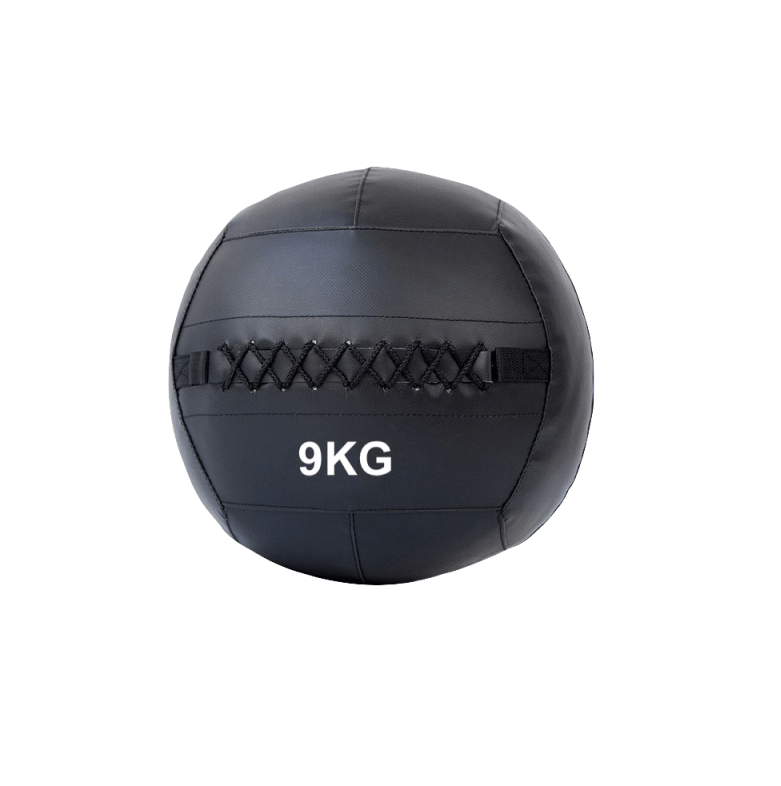
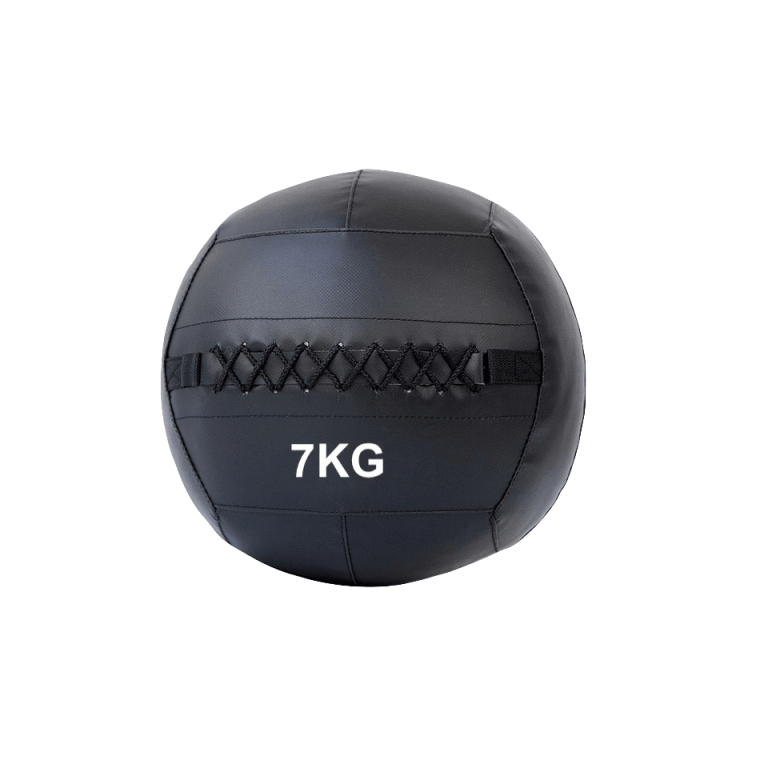
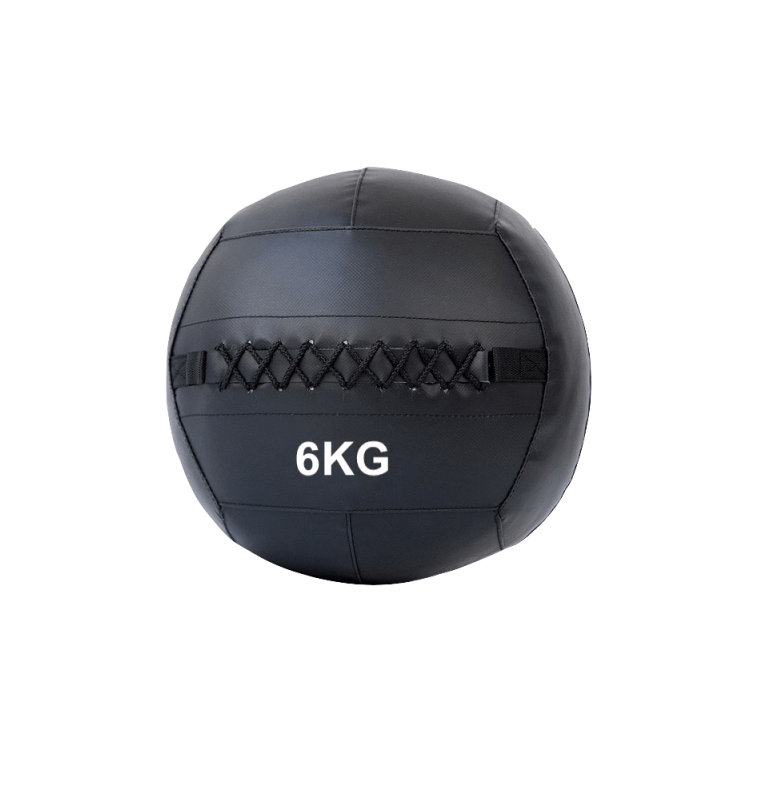
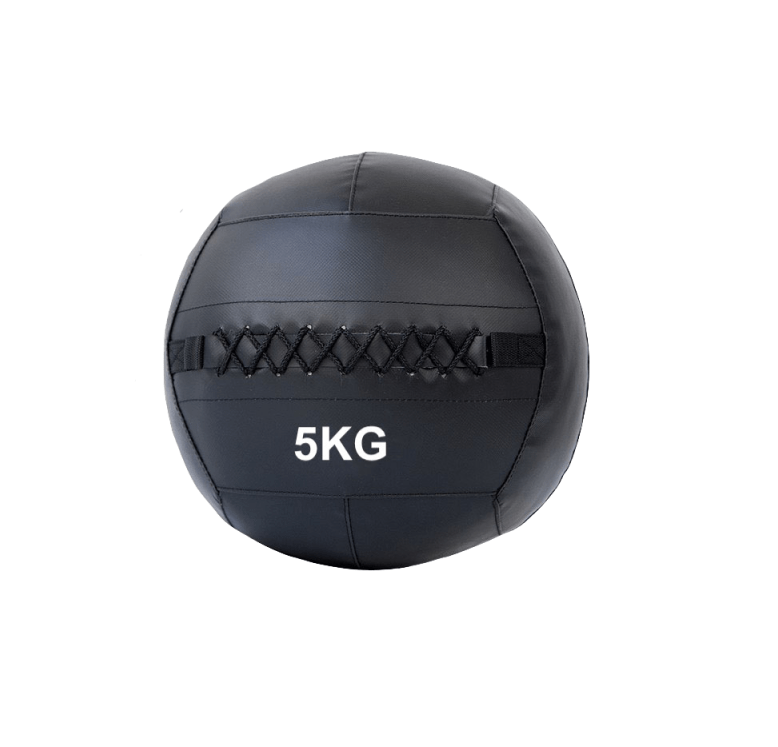
BLACK DOUBLE-STITCHED WALL BALL
Price range: €34,95 through €59,95
A wall ball, or medicine ball throw, combines two movements: throwing a medicine ball upwards and doing a squat.
Improves fitness.
Functional movement, endurance and muscular endurance, and even some strength and power, can be developed by doing wall balls. This versatile movement can be added to improve muscular fitness, movement and cardiovascular health, all critical components of overall fitness.
Increased resistance
Repeatedly throwing a medicine ball, with repeated eccentric contractions as you catch it, can cause serious muscle damage. Increased upper-body endurance plays a very important role in competitive fitness and even in sports such as boxing, basketball and swimming.
Metabolic training
Wall balls are a simple, brutal exercise when performed over long periods with a significant load. The very cyclical act of squatting, throwing and catching is demanding on both the muscular and cardiovascular systems.
Do it intensely and you may even find yourself in a state of EPOC (excess post-exercise oxygen consumption), the sweet spot for increasing your capacity to work while fatigued, increasing calorie output and boosting your metabolism.
Muscles involved in wall balls.
The CrossFit wall ball exercise involves several major muscle groups. The muscles activated during the wall ball include:
Quadriceps: the quadriceps are a group of muscles at the front of the thigh and are used in the squat phase of the wall ball.
Hamstrings: the hamstrings, at the back of the thigh, work to stabilise the knees and help control the descent during the squat.
Glutes: the glutes, the buttock muscles, are used to extend the hips and lift the body back to standing during the squat.
Core muscles: the core muscles, including the abs and lower back muscles, are activated to keep the trunk stable during the squat and the ball throw.
Deltoids (shoulder muscles): the deltoids are activated when throwing the ball at the target on the wall and catching it.
Upper-body muscles: the arm and upper back muscles are also activated to throw the ball and control its path.
Cardiorespiratory muscles: the wall ball is a cardio exercise that also involves the cardiovascular and respiratory systems, as the combination of the squat and the ball throw increases heart rate and oxygen demand.